
 EN
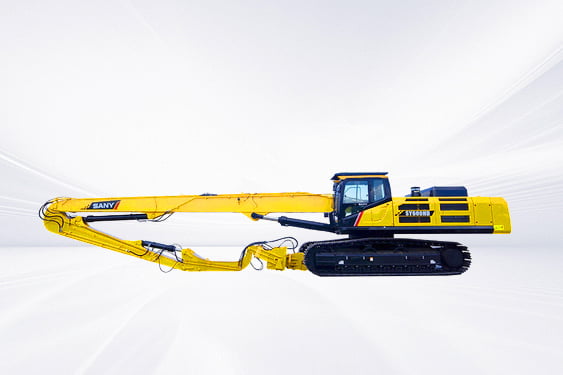
Selecting the right pile drilling machine for your construction project depends fundamentally on understanding the soil conditions at your site. A pile drilling machine must be perfectly matched to the geological characteristics, bearing capacity, and composition of the ground where you plan to work. This alignment between equipment capability and soil profile directly impacts project efficiency, cost control, and foundation stability. When a pile drilling machine is properly matched to soil conditions, drilling becomes faster, equipment wear decreases, and installation quality improves significantly.
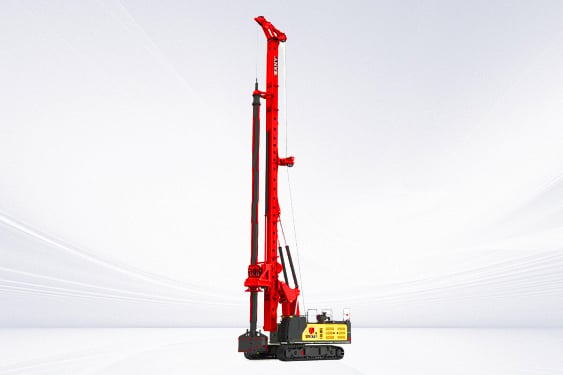
The process of matching a pile drilling machine to soil conditions involves evaluating multiple technical and practical factors. Soil composition, depth requirements, bearing layers, moisture content, and existing ground structures all influence which pile drilling machine will deliver the best results. This article explores the critical factors that guide this matching process, helping construction professionals make informed equipment selection decisions that align with their specific ground conditions.
Understanding Soil Classification and Drilling Requirements
Identifying Soil Types and Their Drilling Characteristics
Soil classification forms the foundation for matching a pile drilling machine to project needs. Sandy soils, clay layers, silty combinations, and rocky substrates each respond differently to drilling action. A pile drilling machine designed for loose sandy conditions may lack the power and torque needed in dense clay or bedrock. Conversely, heavy-duty equipment optimized for hard formations often wastes energy and fuel when drilling through soft, cohesive materials. Understanding whether your site contains predominantly granular soils, cohesive soils, or mixed compositions allows you to specify a pile drilling machine with appropriate power output, drilling speed, and torque characteristics.
Assessing Bearing Capacity and Depth Targets
The target bearing layer depth significantly influences pile drilling machine selection. Shallow drilling in uniform soil layers requires different equipment specifications than deep penetration through variable strata. A pile drilling machine must deliver sufficient drilling depth capacity while maintaining control and precision at the foundation level. Geotechnical reports typically identify the depth to suitable bearing strata, and this measurement directly determines the drilling length, rod strength, and power requirements your pile drilling machine must possess. Matching drilling depth capacity to actual site conditions prevents equipment overextension and ensures stable pile installation.
Key Technical Specifications for Equipment Matching
Impact Energy and Driving Force
Impact energy represents one of the most critical specifications when selecting a pile drilling machine. This value, typically measured in ton-meters or foot-pounds, determines the machine's capacity to overcome soil resistance and advance the pile shaft. Dense clays, silts, and gravels demand a pile drilling machine with higher impact energy to penetrate efficiently. Softer soils may require moderate impact energy to avoid excessive vibration and nearby damage. Matching the impact energy rating of your pile drilling machine to the anticipated soil resistance ensures that drilling progresses steadily without stalling, overheating equipment, or causing structural damage to the pile or surrounding ground.
Drilling Speed and Frequency Adjustment
Drilling speed, typically measured in blows per minute, must align with soil composition and consistency. A pile drilling machine with adjustable frequency allows operators to slow drilling action in difficult formations and increase speed in softer materials. Rocky soils and dense clay layers benefit from lower frequency and maximum force per blow, while loose sands and silts may require higher frequency with controlled impact. This flexibility in pile drilling machine operation prevents excessive shock loads and vibration that could disturb adjacent structures or compromise pile integrity. Equipment designed with variable frequency control matches changing soil conditions throughout the drilling depth.
Operational Factors in Soil-Equipment Compatibility
Machine Stability and Ground Support Requirements
Site ground conditions influence not only pile drilling but also the stability platform required for the pile drilling machine itself. Soft, saturated soils demand wider bearing surfaces and reinforced ground preparation to prevent equipment settlement or tilting during operation. Rocky or well-drained sites support heavier pile drilling machine models with minimal ground preparation. The weight distribution, track design, and stabilizer configuration of your selected pile drilling machine must match site bearing capacity. A pile drilling machine that sinks into muddy ground or tilts on uneven bedrock cannot maintain drilling precision and poses safety risks. Matching equipment stability requirements to actual site conditions prevents costly ground reinforcement and operational delays.
Moisture Content and Seasonal Soil Changes
Moisture content dramatically affects soil drilling behavior and determines appropriate pile drilling machine specifications. Wet clays become sticky and adhesive, requiring higher torque and more frequent cleaning of drilling equipment. Dry granular soils flow easily but generate excessive dust and may reduce drilling traction. Seasonal variations introduce additional complexity, as spring and fall moisture levels differ significantly from summer and winter conditions. A pile drilling machine selected for wet-season drilling may deliver poor performance in drought conditions and vice versa. Understanding how moisture affects your specific soil profile guides selection of a pile drilling machine with adequate power reserves and operational flexibility across anticipated seasonal variations.
Practical Site Assessment and Equipment Selection Process
Geotechnical Investigation and Data Integration
Comprehensive geotechnical reports provide essential information for matching a pile drilling machine to actual site conditions. Soil boring logs identify layer transitions, material classification, and laboratory test results including shear strength and bearing capacity. This data directly translates into pile drilling machine specifications. Professional geotechnical input eliminates guesswork and allows equipment selection based on verified ground conditions rather than assumptions. When site investigation reveals variable soil profiles across the project area, operators may need a pile drilling machine with broader capability ranges or require different machines for distinct zones. Integrating geotechnical findings into equipment selection creates a systematic approach to matching drilling needs with machine performance.
Pilot Drilling and Performance Validation
Many construction teams conduct pilot drilling tests before full-scale operations to validate pile drilling machine performance against actual ground conditions. These trials reveal whether the selected pile drilling machine delivers expected drilling rates, maintains proper verticality, and achieves target depths without excessive vibration. Pilot results also identify operational adjustments—such as frequency modifications, drilling speed changes, or additional ground preparation—that optimize performance. A pile drilling machine that exceeds performance targets during pilot work confirms proper equipment selection and boosts confidence in the full project schedule. Conversely, pilot results showing inadequate performance trigger equipment substitution or site preparation modifications before main drilling begins.
FAQ
How do I determine which pile drilling machine specifications match soft clay soils?
Soft clay soils require a pile drilling machine with moderate to high impact energy and lower frequency to prevent excessive vibration while maintaining sufficient penetrating force. Consult geotechnical reports for clay classification and shear strength values. Select a pile drilling machine rated for cohesive soils with torque capacity sufficient for adhesive material resistance. Operators should expect slower drilling progression in clay and may need to reduce frequency to maintain steady advance.
Can a single pile drilling machine adapt to varying soil conditions across a site?
Many modern pile drilling machines feature variable frequency and adjustable impact energy settings, allowing partial adaptation across different soil types. However, significant variations between zones—such as loose sand over bedrock—may exceed a single pile drilling machine's practical operating range. Professional operators typically evaluate whether one machine with operational flexibility suffices or whether deploying multiple pile drilling machines optimizes efficiency and timeline performance across heterogeneous soil profiles.
What role does groundwater level play in pile drilling machine selection?
High groundwater levels increase soil saturation, affecting cohesion and requiring a pile drilling machine with greater penetrating power and frequency adjustment capability. Saturated soils become softer and less stable, demanding equipment that maintains verticality and drilling control without excessive downforce. Site dewatering or drainage improvements may be necessary alongside pile drilling machine selection to achieve optimal drilling conditions and prevent equipment bogging in waterlogged ground.